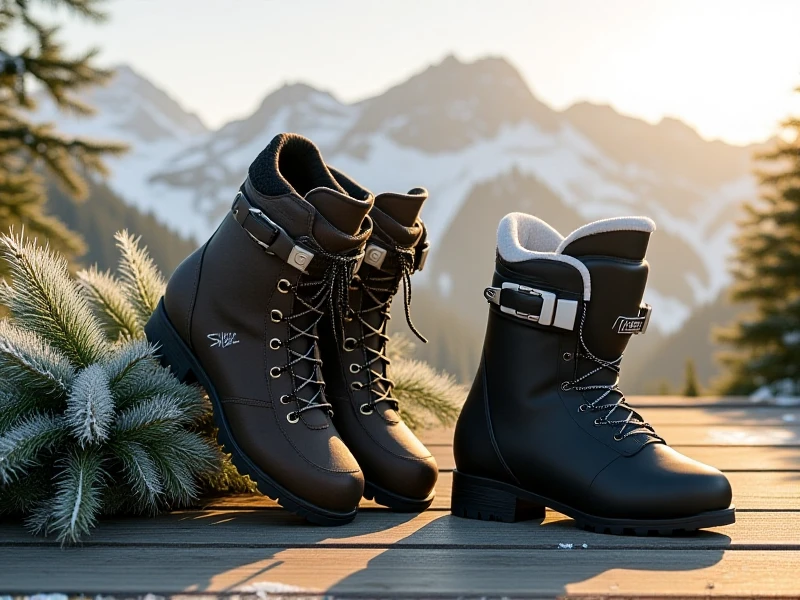
Finding Your Perfect Pair: The Essential Hiking Boots Buying Guide
Choosing the right hiking boots is crucial for comfort, performance, and safety on the trail. With so many options, selecting the best hiking boots can feel overwhelming. This guide breaks down the key factors to ensure your feet are happy mile after mile.
1. Know Your Adventure: What terrain will you tackle? Light trails demand flexible, lightweight boots, often low-cut hikers or sturdy trail runners. Ruggerous, mountainous terrain necessitates stiff-soled, mid-high or high-cut hiking boots offering maximum ankle support and stability under a heavy pack. Matching boot type to your primary activities prevents unnecessary weight or insufficient protection.
2. Material Matters: Hiking boots primarily come in leather (full-grain or nubuck) or synthetic materials (nylon, polyester). Full-grain leather offers superior durability, water resistance (once treated), and excellent protection, ideal for rough trails and multi-day trips, though heavier. Synthetics are lighter, often more breathable, break-in faster, and dry quicker but sacrifice long-term abrasion resistance. Many boots combine both for balanced performance.
3. Waterproof or Breathable? Waterproof hiking boots, typically featuring membranes like Gore-Tex, keep feet dry crossing streams and in wet weather. However, they can trap sweat on warm days. Highly breathable non-waterproof boots are cooler and dry faster but won't keep water out. Consider your typical climate and hiking conditions. If you frequently encounter wet environments, waterproof boots are wise; for desert or dry heat, breathability might top the list.
4. The Non-Negotiable Fit: A proper fit is paramount. Ensure ample toe room (about a thumb's width) to prevent downhill toenail bruising. Heels should be snug with minimal lift. Width matters equally – cramped feet lead to blisters and pain. Feet swell on long hikes: try boots on later in the day and wear the hiking socks you'll use. Walk rigorously on an incline and decline in-store. The boot should flex where your foot flexes without pinching. Don't assume you're your usual shoe size; different brands vary.
5. Traction and Support: A quality, deep-lugged outsole (like Vibram or Contagrip) provides grip on varied terrain – mud, rock, loose dirt. The midsole, the boot's foundation, dictates cushioning and torsional rigidity. Softer midsoles cushion impacts but are less stable on uneven ground. Stiffer midsoles provide stability under load, ideal for rough terrain and heavier packs. The height and padding of the ankle collar significantly impact support and protection from twists or rolling.
6. The Break-In Truth: Quality hiking boots often require a proper break-in period. Wear them indoors for increasingly longer periods, then tackle short local walks before embarking on a challenging backcountry trip. This prevents painful, trip-ruining blisters and allows materials to soften and conform to your feet.
7. Care Extends Life: Protect leather boots regularly. Clean off mud, allow boots to dry naturally away from direct heat, and apply conditioner or waterproofing treatments as recommended. Check laces and cleats periodically.
Investing time and effort into selecting the perfect hiking boots translates directly into trail enjoyment and endurance. Prioritize fit, match the boot to your terrain and load, and protect your investment through proper care to ensure years of exploring the outdoors securely. Your feet – and your adventures – deserve nothing less. Try different pairs with your hiking socks to discover the fit engineered for your journey.